Rehabilitation programmes
Services under the Contract on the Provision of Social Services
Psychosocial support for children up to the age of 18
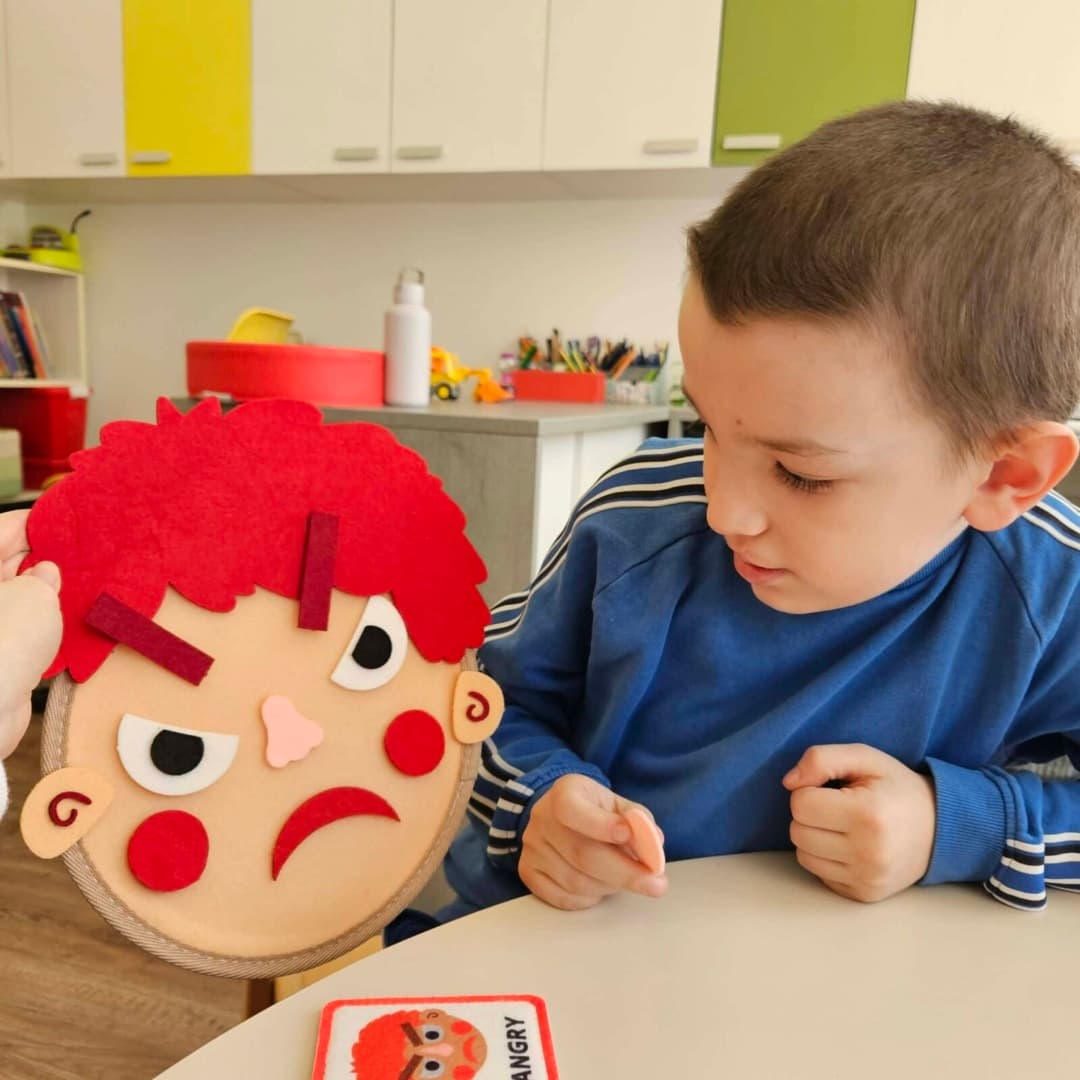
Strengthening socio-emotional development by recognising and understanding emotions, developing social awareness and acquiring social and communication skills. The work uses directive and non-directive play therapy, empathic reflection, expressive techniques and augmentative communication.
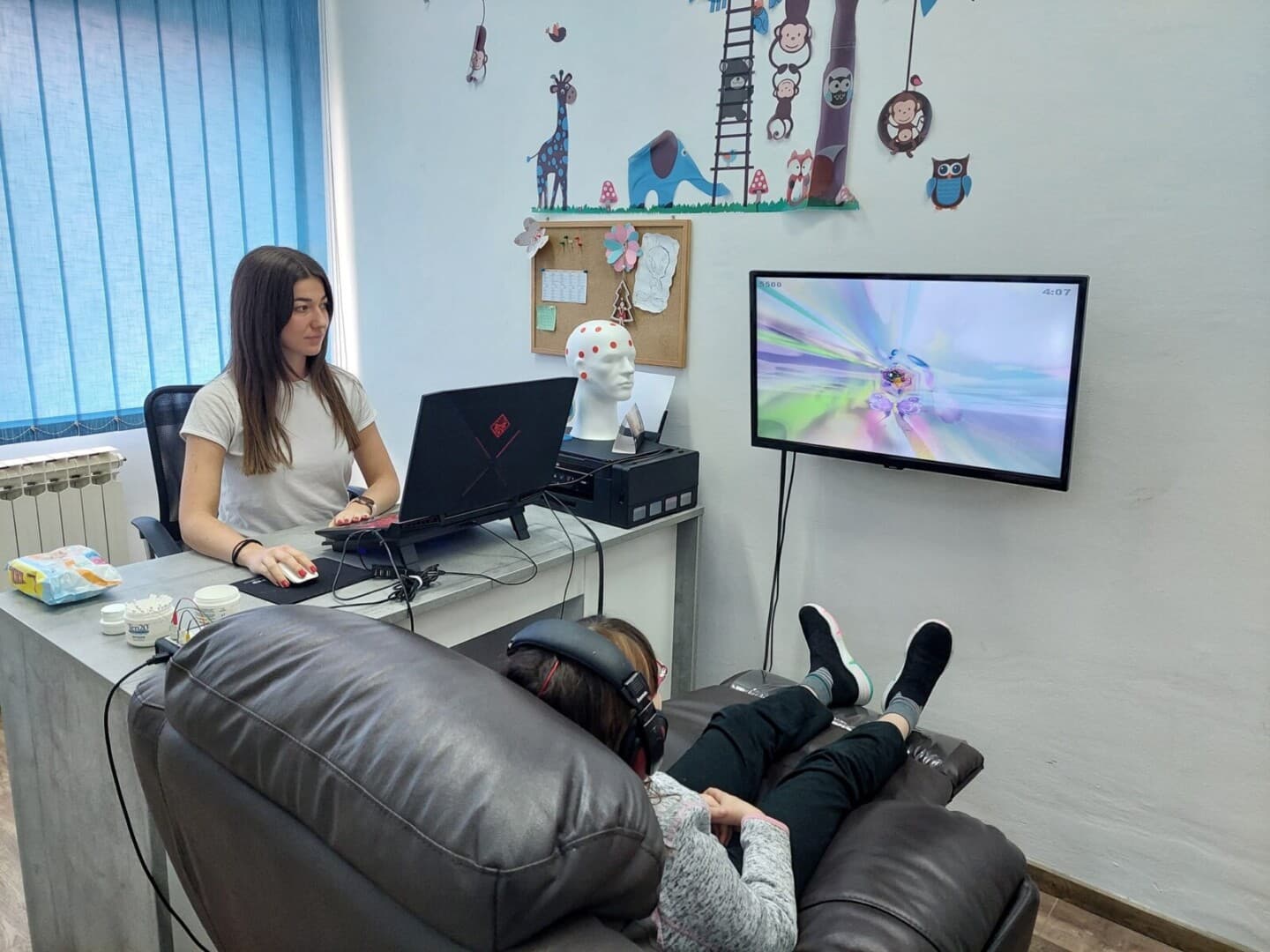
Neurofeedback training
A non-invasive method, a type of biofeedback, that gradually improves brain function. It monitors the brain’s electrical waves (alpha, beta, delta and theta) and teaches their self-regulation, focusing on attention, concentration and self-regulation, adapted to the child’s age and needs.
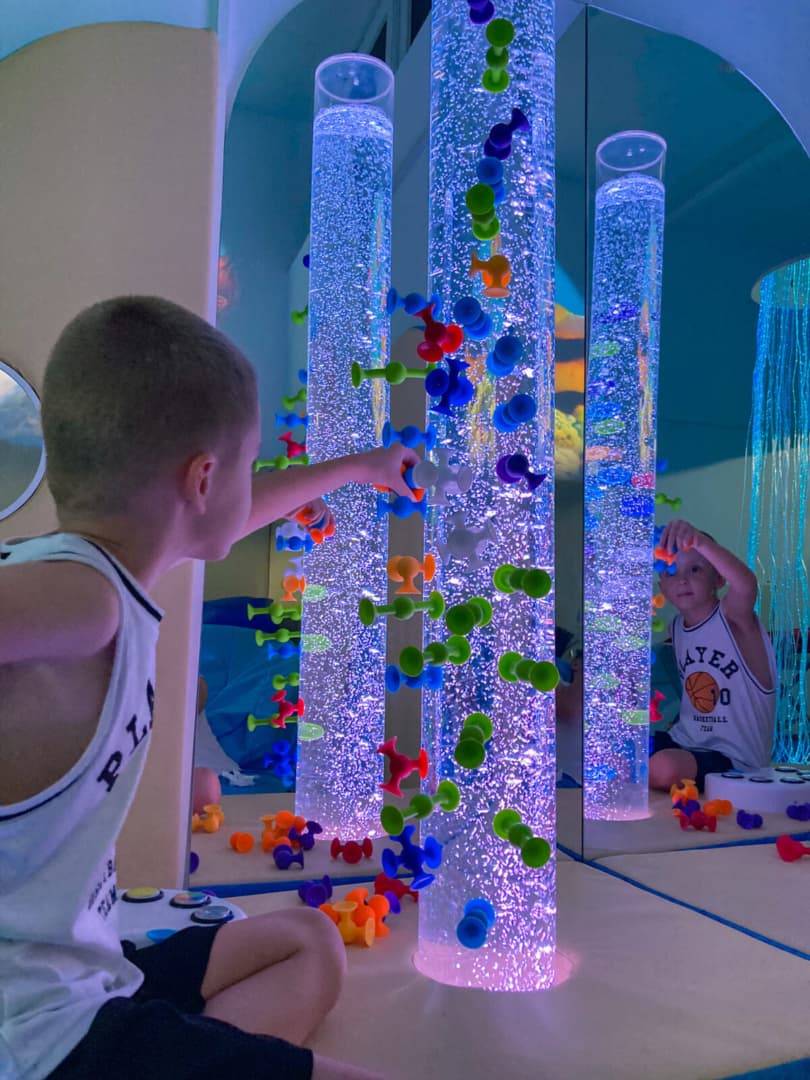
Sensory integration
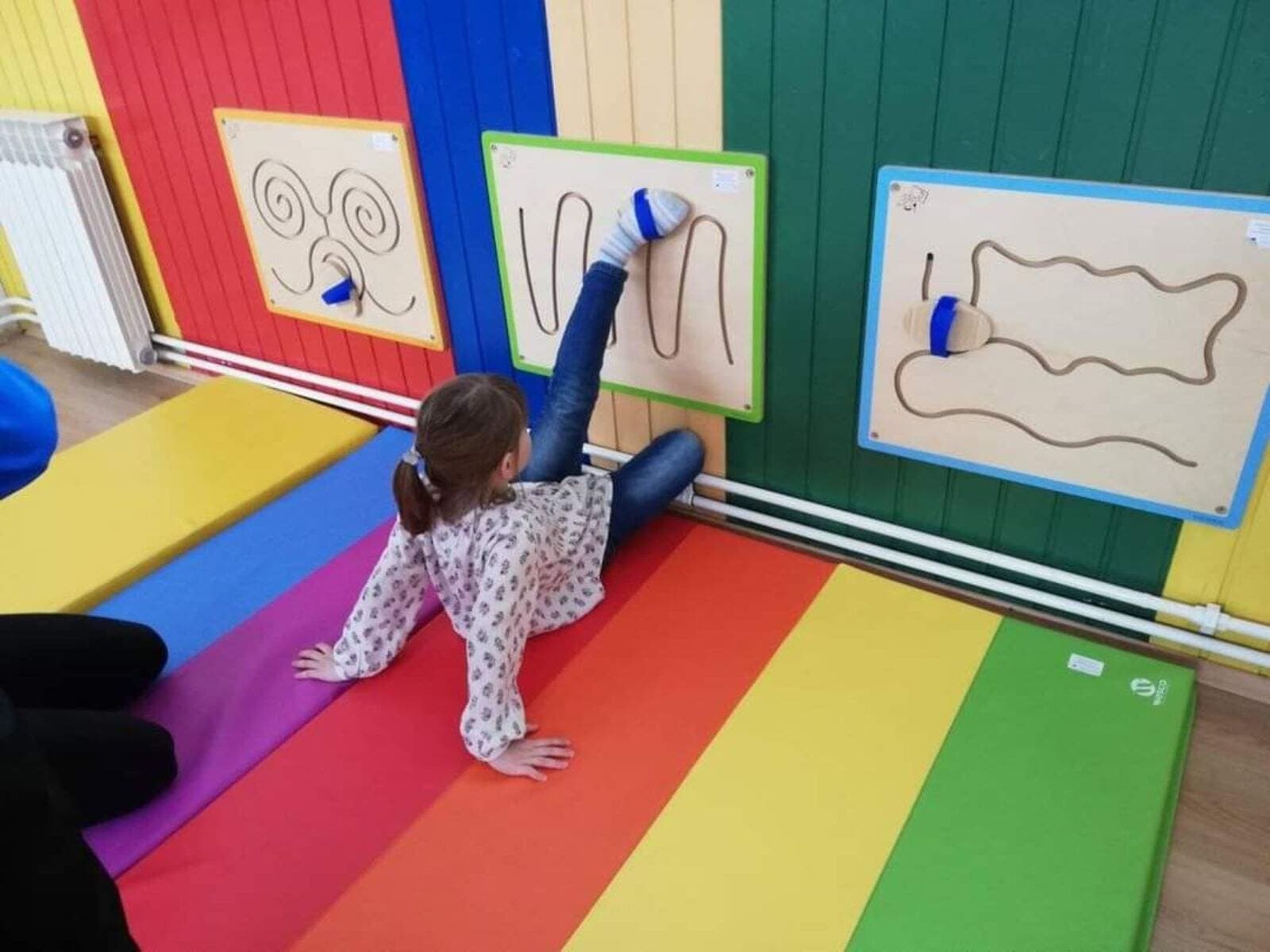
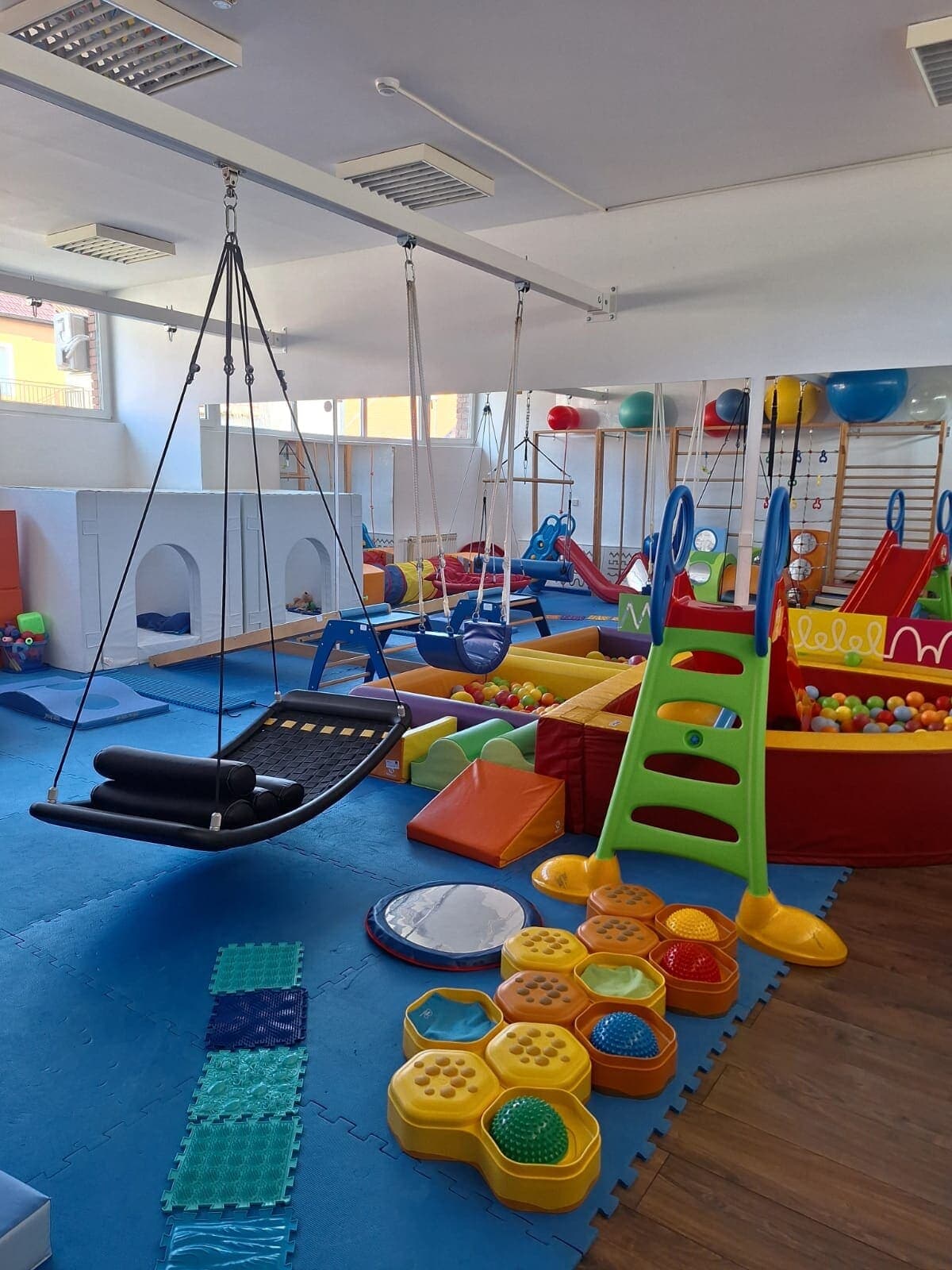
Professionally guided activities in the sensory room through which children learn to process stimuli from their own body and their surroundings, reduce sensory overload and develop self-regulation, balance and coordination.
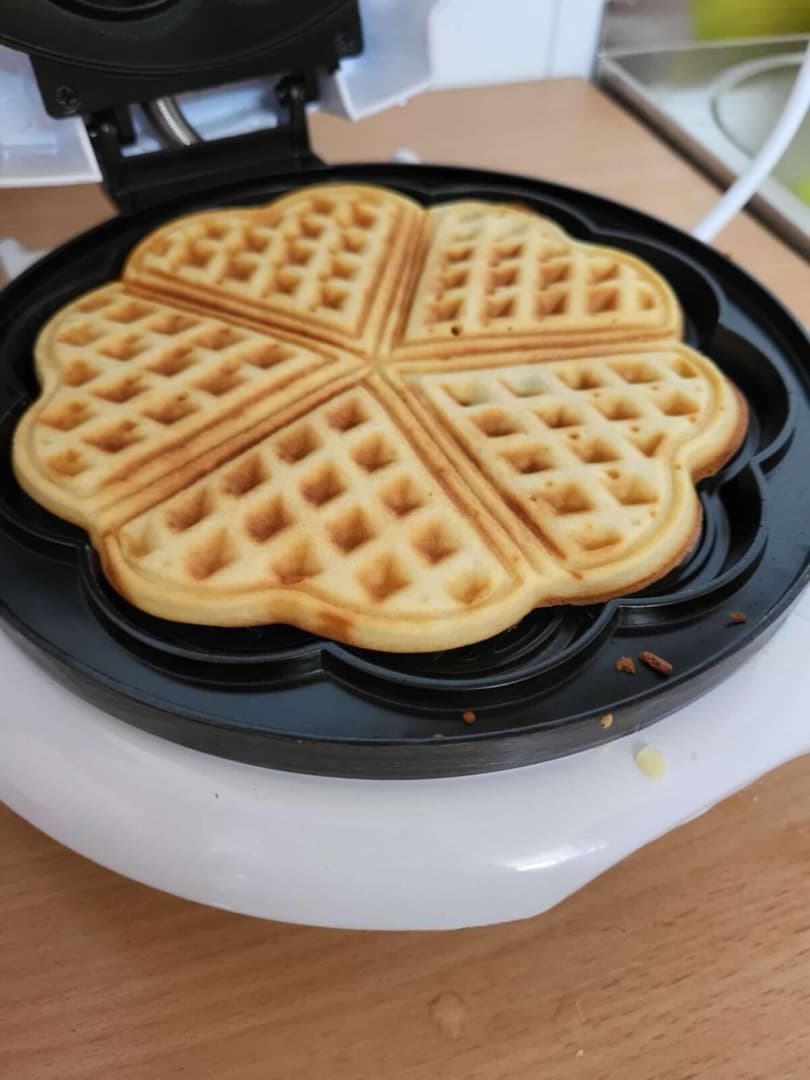
Daily living skills exercises
Occupational therapy aimed at optimal functioning in everyday life — self-care activities such as dressing, therapeutic feeding, hygiene habits and toilet training, as well as getting around in the community.
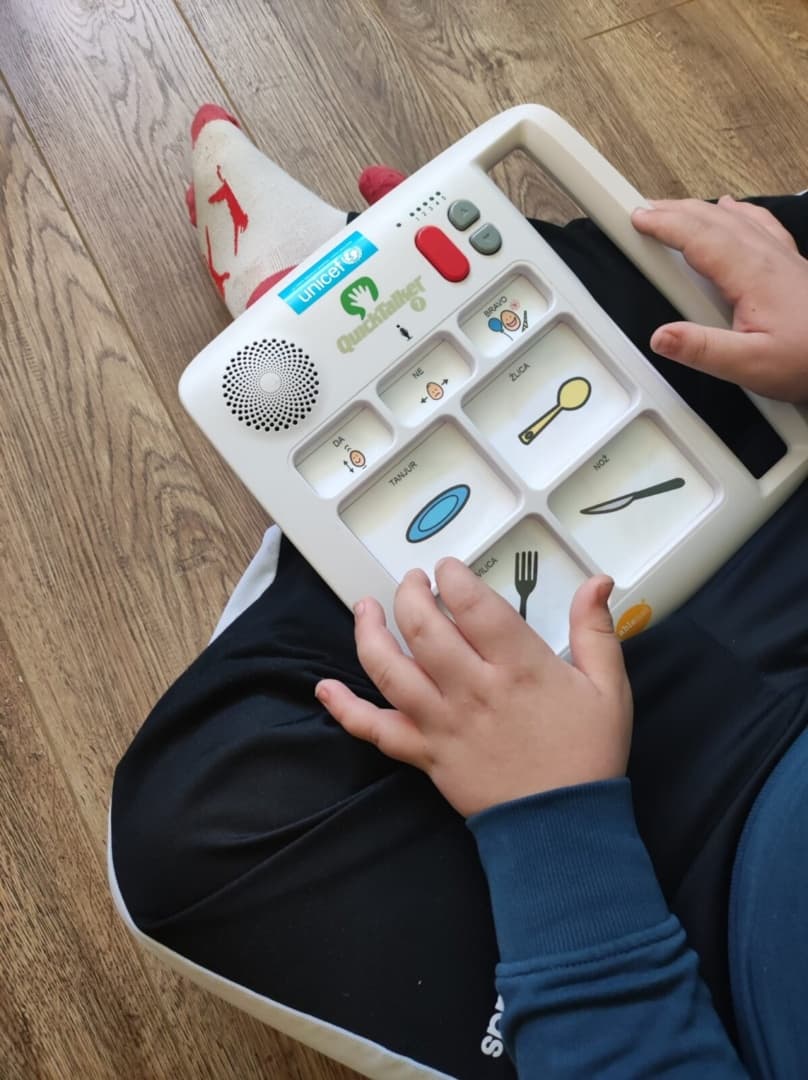
Speech and language therapy
Prevention, detection, diagnosis and therapy of communication, language, speech and voice disorders — from encouraging early speech development to therapy for language difficulties and reading and writing difficulties.
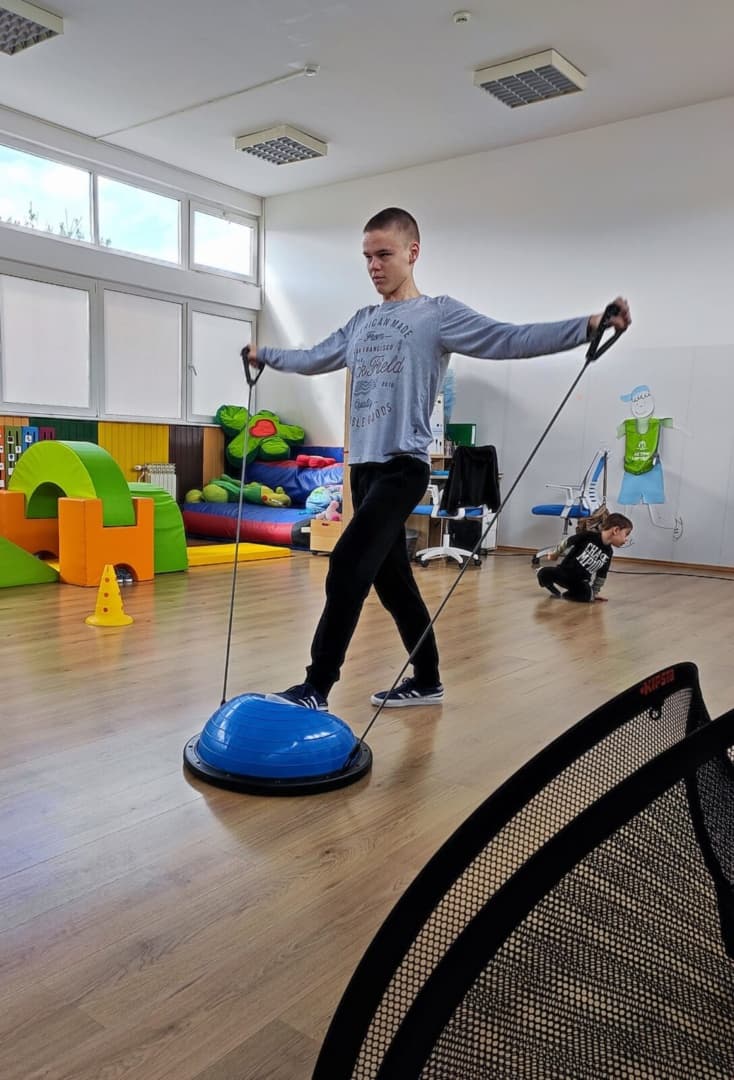
Kinesiotherapy, sport and recreational activities
Adapted movement programmes that develop gross motor skills, balance and endurance. Children with disabilities start walking later and have weaker coordination, so these activities are the foundation of development — and we guide talented children into regular sports clubs.
Rehabilitation and integration programmes at the Association made possible through projects, donations and humanitarian campaigns
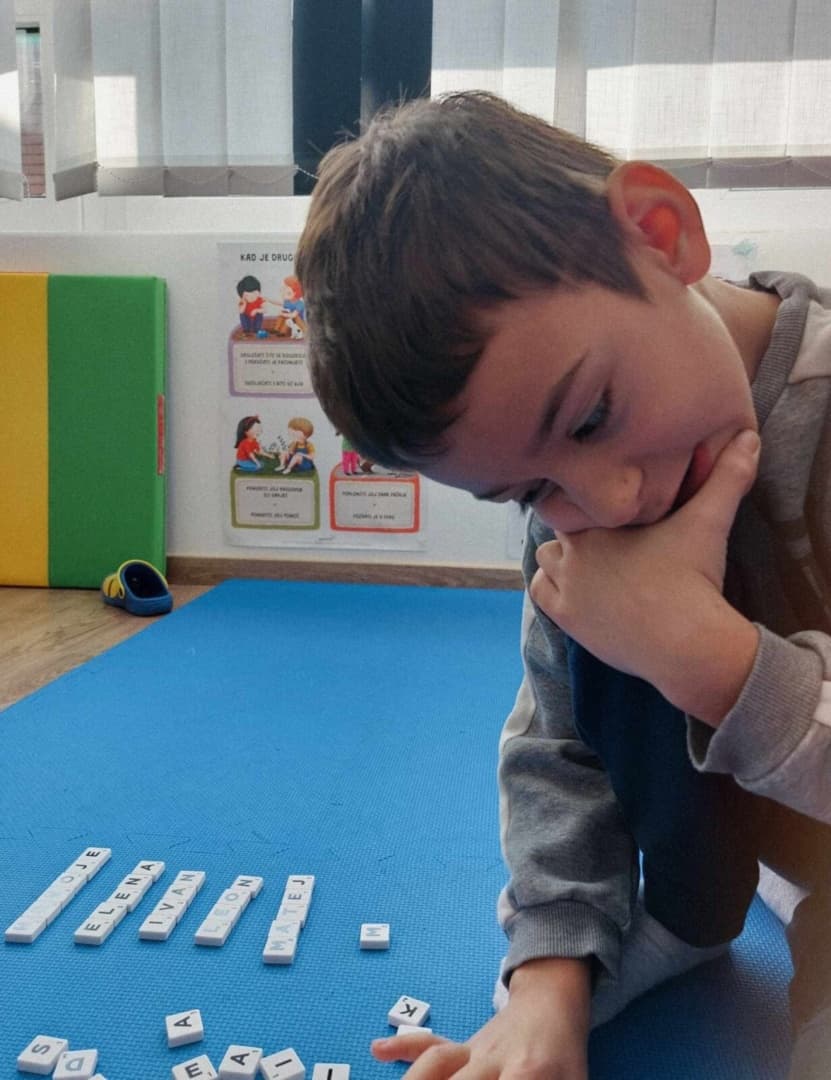
Playgroup
A half-day playgroup alongside typically developing children — socialisation for the child and short-term relief for parents, whose commitment does not end as the child grows older. It gives parents a chance to restore their emotional capacity.
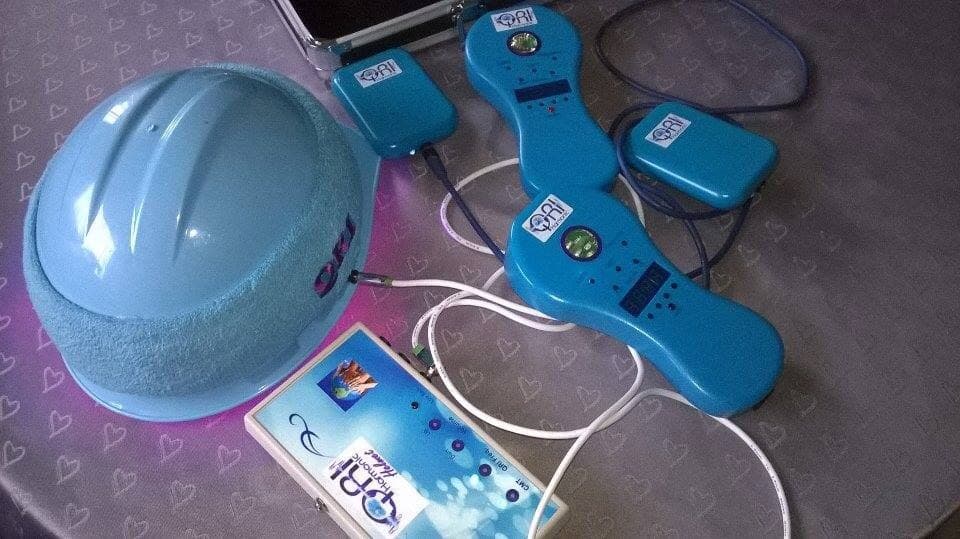
Laser for integrating primitive reflexes
Reflexes do not only have a protective role — they lay the neurophysiological foundations of the brain for the development of higher motor, emotional and cognitive functions. The method focuses on integrating retained primitive reflexes that can interfere with development and learning.
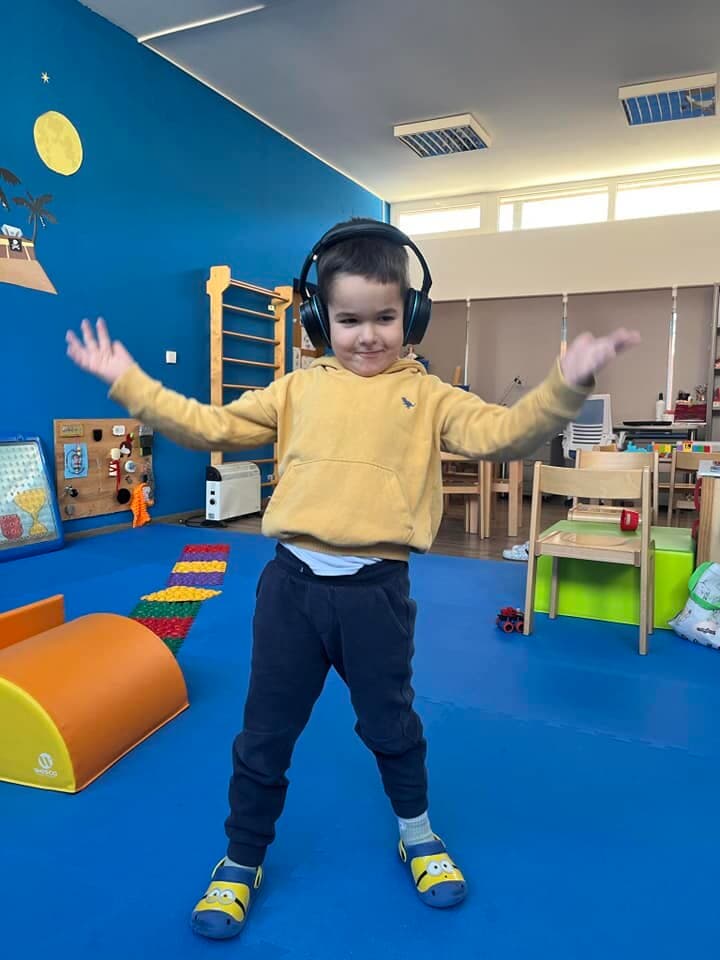
Tomatis therapy
Auditory neurosensory stimulation in listening cycles with breaks. A device called the electronic ear filters sound through headphones and synchronises the areas of the brain that process signals from both ears, acting on cognitive, motor, emotional and language and speech abilities. In Croatia it is available in only two cities.
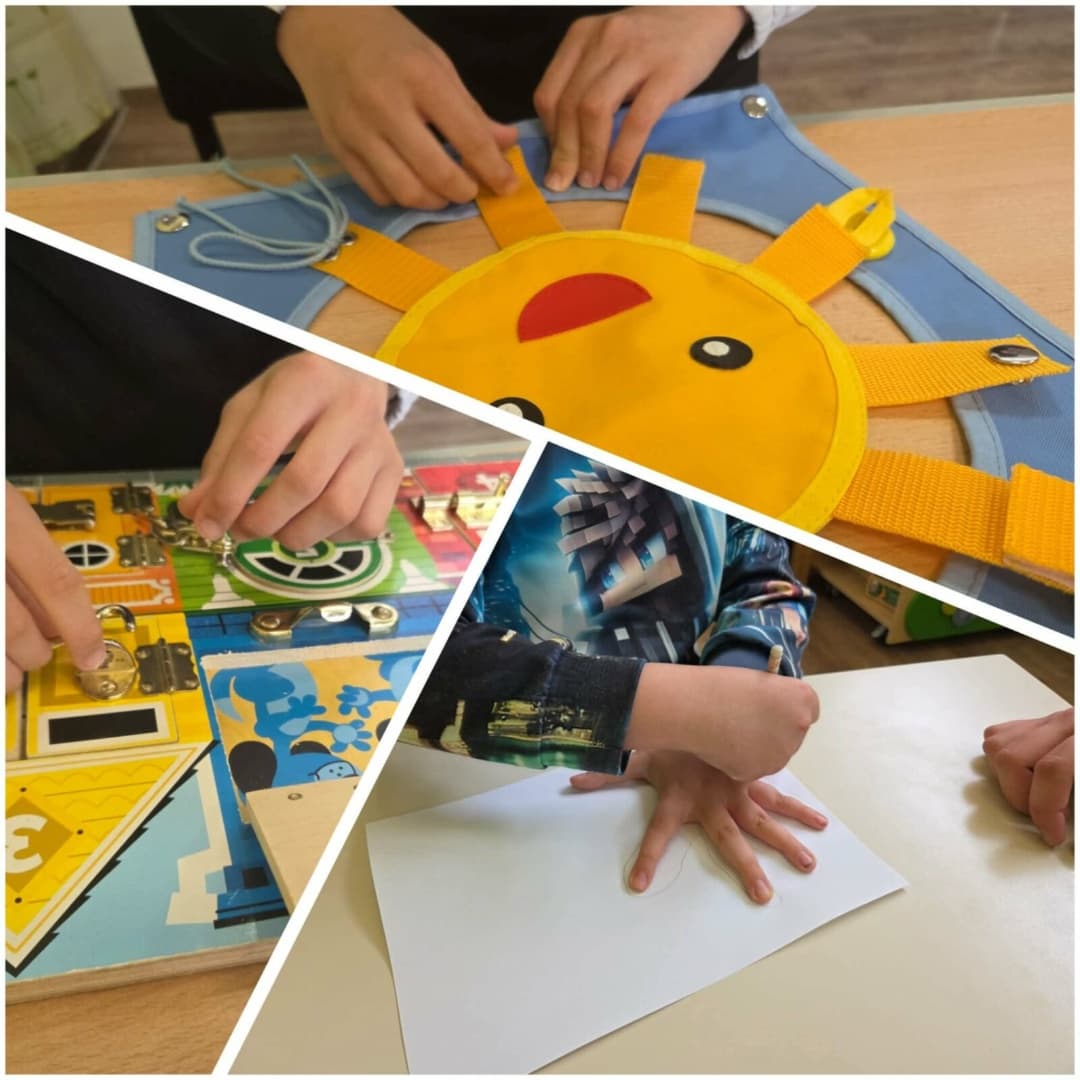
Brain Gym
Gymnastics for the brain — around twenty simple exercises based on neuroscience whose aim is to connect both hemispheres of the brain. The more both hemispheres are involved, the more complete the functioning; it supports learning, attention and coordination.
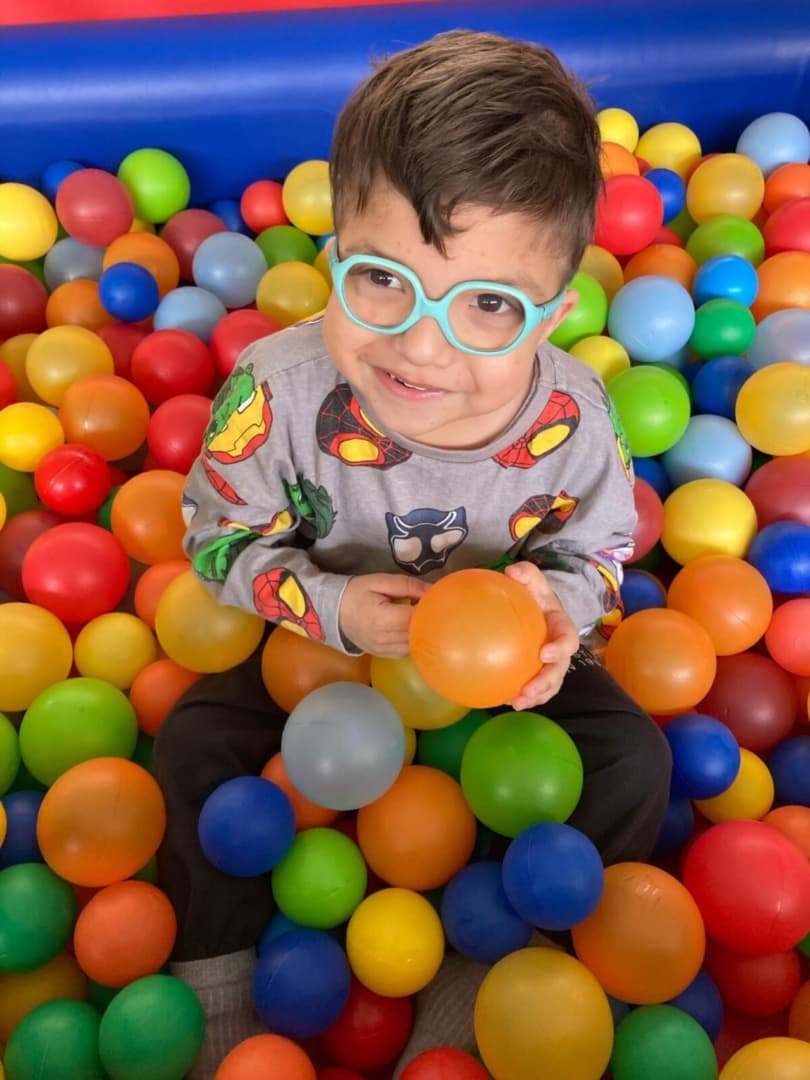
Soundsory
A multisensory programme that improves motor and cognitive abilities. It consists of specially designed, neuro-acoustically modified music and a series of movement-based exercises.
Not sure which programme suits your child?
Become a volunteer
Fill in the application form and join us. More than 280 volunteers have been part of the Association so far.
Fill in the form (opens in a new tab)Find out more