Social service provider — psychosocial support for children up to the age of 18
Contract on the Provision of Social Services
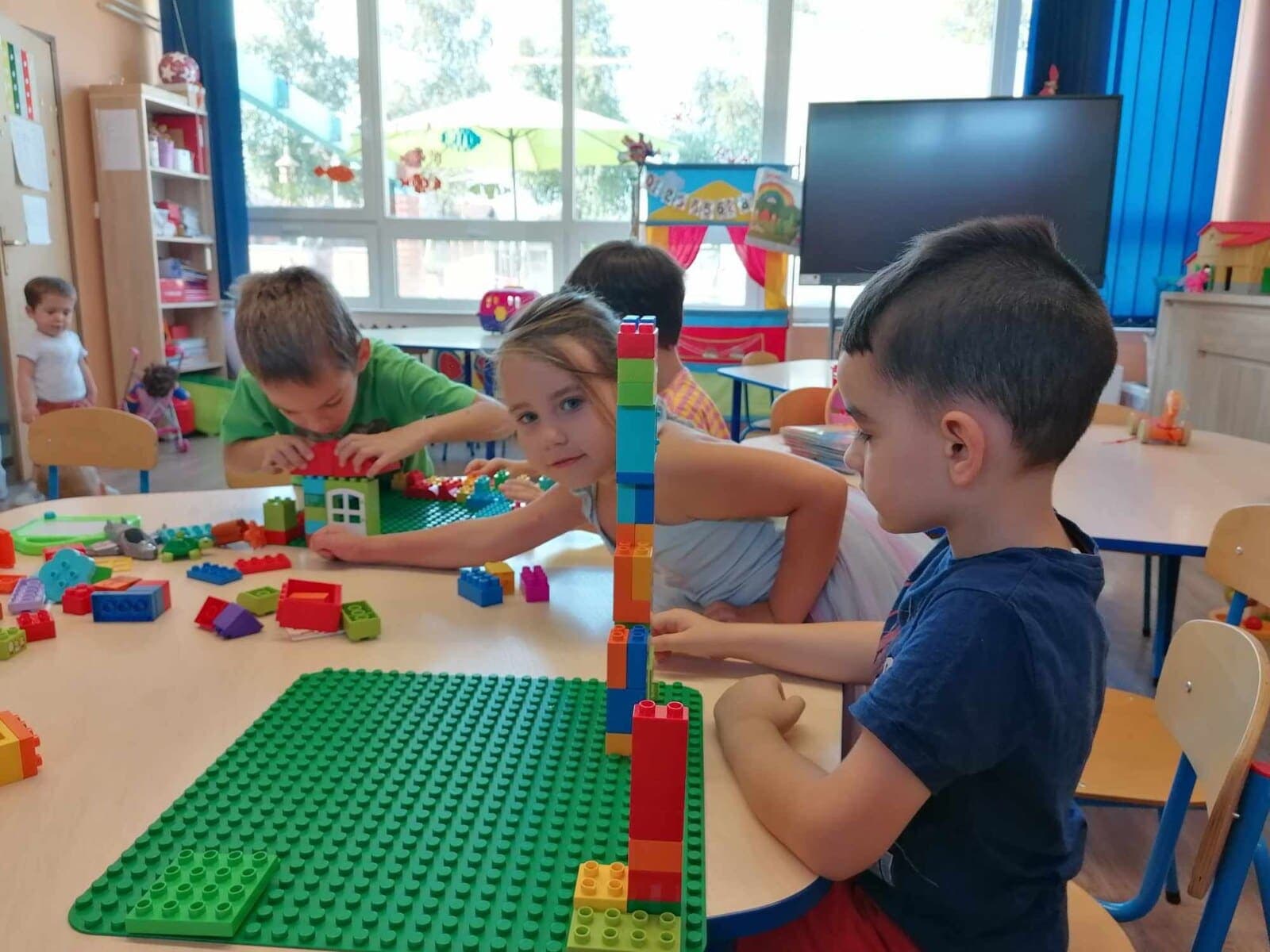
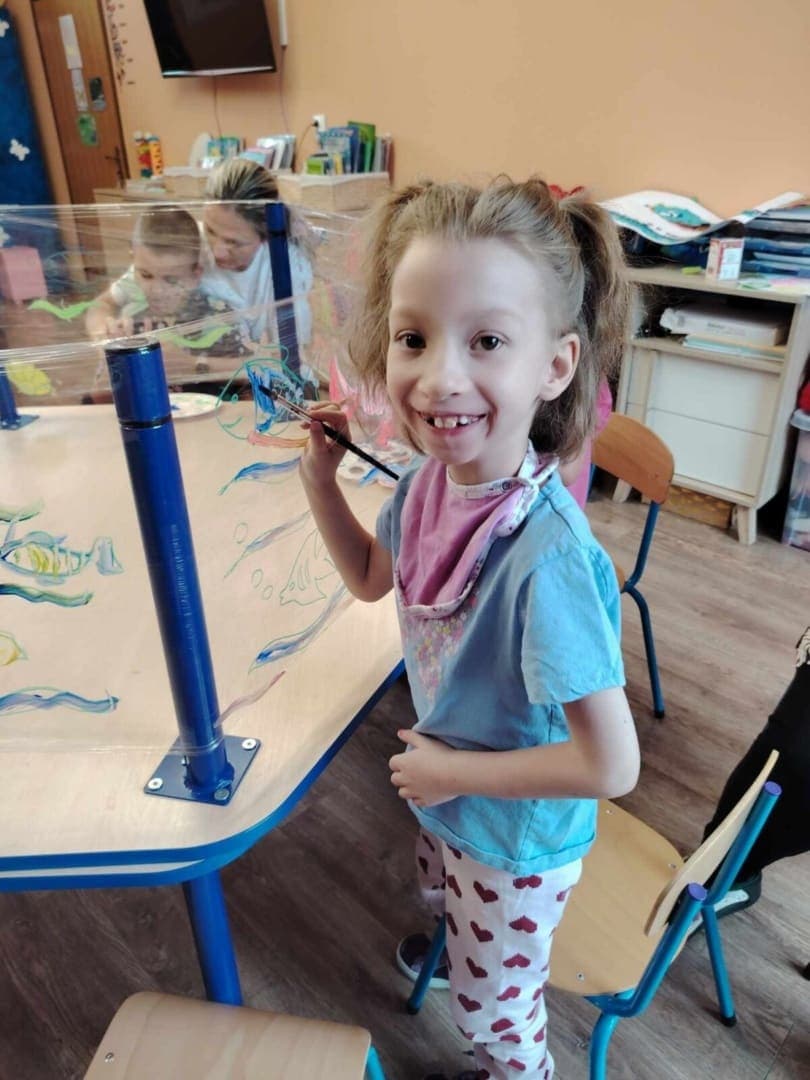
A Contract on the Provision of Social Services was signed between the Association of Parents of Children with Disabilities Vukovar Butterflies and the Ministry of Demography, Family, Youth and Social Policy, and came into force on 1 January 2017. Under this Contract, our Association legally becomes part of the Network of Associations Providing Social Services. As an authorised social service provider, the Association Vukovar Butterflies will provide the following services:
- Daily living skills exercises
- Psychological support
- Neurofeedback method
- Sensory integration
- Kinesiotherapy, sport and recreational activities
Psychosocial support is a social service that involves rehabilitation encouraging the development of the cognitive, functional, communication or social skills of service users, and it can be provided individually and in groups to children aged 1 to 18.
The procedure for obtaining the right to psychosocial support is as follows:
- The future service user, i.e. the parents or guardians of a child with disabilities, submit a Request for the Provision of Psychosocial Support to the competent office of the Institute for Social Work
- The future service user, i.e. the parents or guardians of a child with disabilities, enrol the child in the Association and fill in a set of forms with basic information about the child
- The Association’s professional team invites future service users for an assessment
- The Association’s professional team sends an expert opinion on the service user, i.e. on the need for particular services, to the competent office of the Institute for Social Work
- The Institute for Social Work issues a Referral for the Provision of Psychosocial Support
- Services for children who have a Referral from the Institute for Social Work are FREE OF CHARGE
For any further questions and appointments, please contact:
- administrative staff, phone +385 91 910 5880
- Email: info@vukovarski-leptirici.hr
- Email: socijalne.usluge@vukovarski-leptirici.hr
- Executive Director: +385 91 9784 176

Psychosocial support services are provided on the basis of a contract with the competent ministry.
The service provider’s professional team
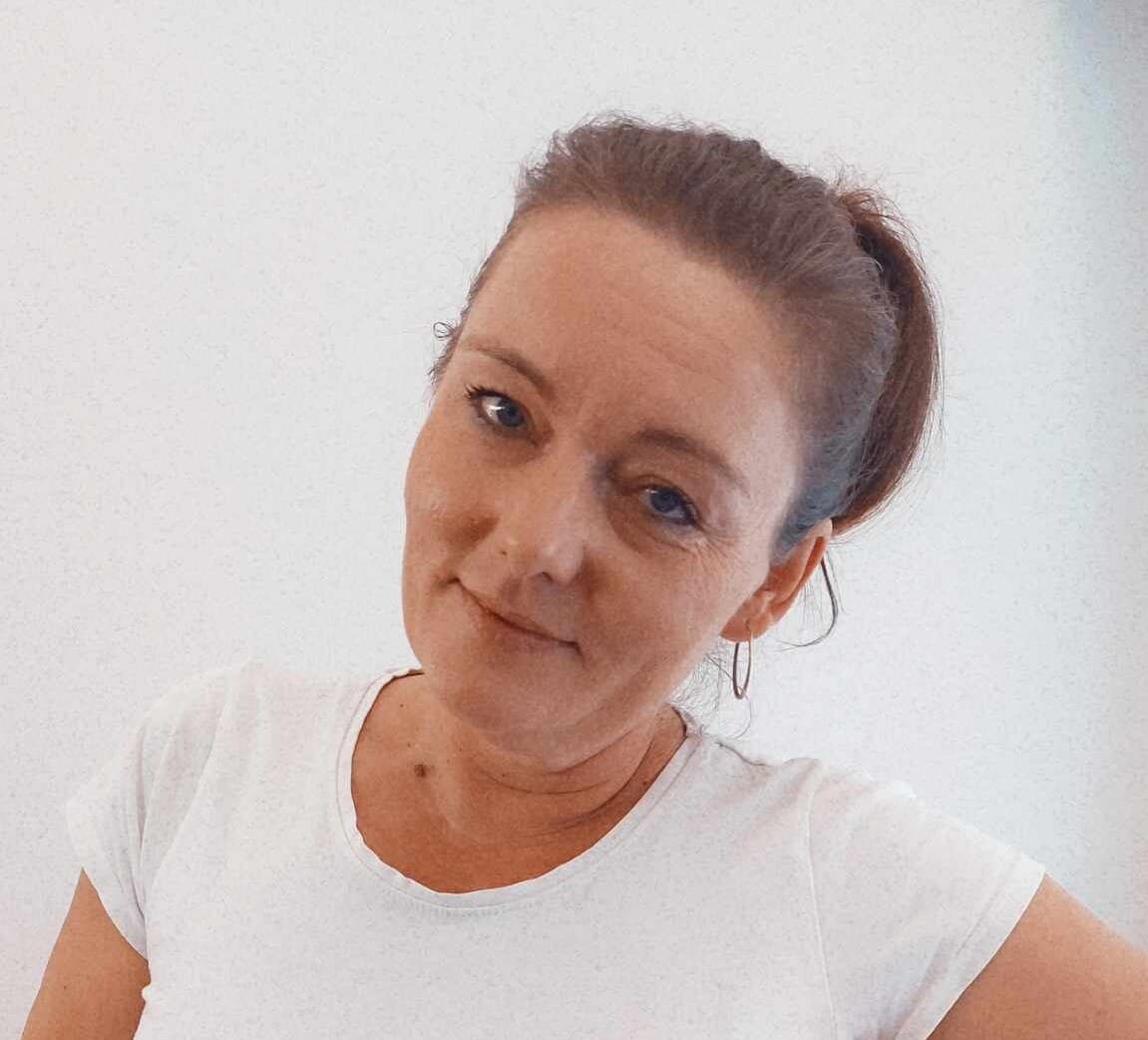 Biljana Cvijanovićbacc. physioth. — Executive Director of the Social Services Provider
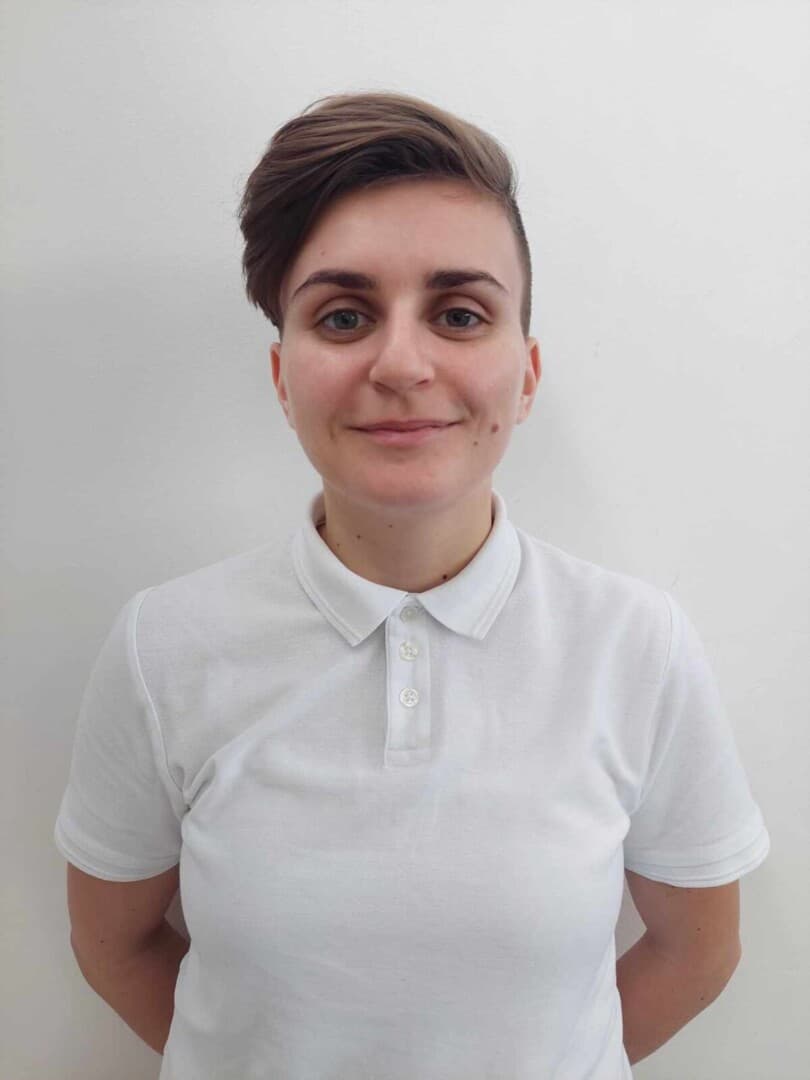 Matea Trogrlićmag. physioth. — Head of the professional team
Rehabilitation programmes
More about the programmesPsychosocial support for children up to the age of 18
Strengthening socio-emotional development by recognising and understanding emotions, developing social awareness and acquiring social and communication skills. The work uses directive and non-directive play therapy, empathic reflection, expressive techniques and augmentative communication.
Neurofeedback training
A non-invasive method, a type of biofeedback, that gradually improves brain function. It monitors the brain’s electrical waves (alpha, beta, delta and theta) and teaches their self-regulation, focusing on attention, concentration and self-regulation, adapted to the child’s age and needs.
Sensory integration
Professionally guided activities in the sensory room through which children learn to process stimuli from their own body and their surroundings, reduce sensory overload and develop self-regulation, balance and coordination.
Daily living skills exercises
Occupational therapy aimed at optimal functioning in everyday life — self-care activities such as dressing, therapeutic feeding, hygiene habits and toilet training, as well as getting around in the community.
Speech and language therapy
Prevention, detection, diagnosis and therapy of communication, language, speech and voice disorders — from encouraging early speech development to therapy for language difficulties and reading and writing difficulties.
Kinesiotherapy, sport and recreational activities
Adapted movement programmes that develop gross motor skills, balance and endurance. Children with disabilities start walking later and have weaker coordination, so these activities are the foundation of development — and we guide talented children into regular sports clubs.
Playgroup
A half-day playgroup alongside typically developing children — socialisation for the child and short-term relief for parents, whose commitment does not end as the child grows older. It gives parents a chance to restore their emotional capacity.
Laser for integrating primitive reflexes
Reflexes do not only have a protective role — they lay the neurophysiological foundations of the brain for the development of higher motor, emotional and cognitive functions. The method focuses on integrating retained primitive reflexes that can interfere with development and learning.
Tomatis therapy
Auditory neurosensory stimulation in listening cycles with breaks. A device called the electronic ear filters sound through headphones and synchronises the areas of the brain that process signals from both ears, acting on cognitive, motor, emotional and language and speech abilities. In Croatia it is available in only two cities.
Brain Gym
Gymnastics for the brain — around twenty simple exercises based on neuroscience whose aim is to connect both hemispheres of the brain. The more both hemispheres are involved, the more complete the functioning; it supports learning, attention and coordination.
Soundsory
A multisensory programme that improves motor and cognitive abilities. It consists of specially designed, neuro-acoustically modified music and a series of movement-based exercises.
Diagnostic assessments
More about the assessmentsADOS-2
Autism Diagnostic Observation Schedule — the gold standard in assessing autism spectrum disorder.
Čuturić Developmental Test (RTČ)
Assessment of the psychomotor development of infants, toddlers and preschool children.
WISC-IV-HR
Wechsler Intelligence Scale for Children, Croatian standardisation.
ADHDT
Test for attention deficit and hyperactivity disorder.
BYI-II
Beck Youth Inventories, second edition — for children and adolescents.
TROG-2:HR
Test for reception of grammar.
PPVT-III-HR
Peabody Picture Vocabulary Test — assessment of receptive vocabulary.
Gross motor function assessment
The standardised GMFM scale for children and young people with cerebral palsy and Down syndrome.
Educational rehabilitation assessment
A comprehensive assessment of the child’s physical, cognitive, communication, emotional and social developmental capacities, on which further programmes are built.
Sensory integration assessment
A combination of standardised and non-standardised assessments of tactile, kinaesthetic and visual perception, vestibular processing, sensorimotor coordination and praxis.
Augmentative and alternative communication
Assessment and introduction of communication tools — from gestures and communication books to devices with speech output.
Did you know?
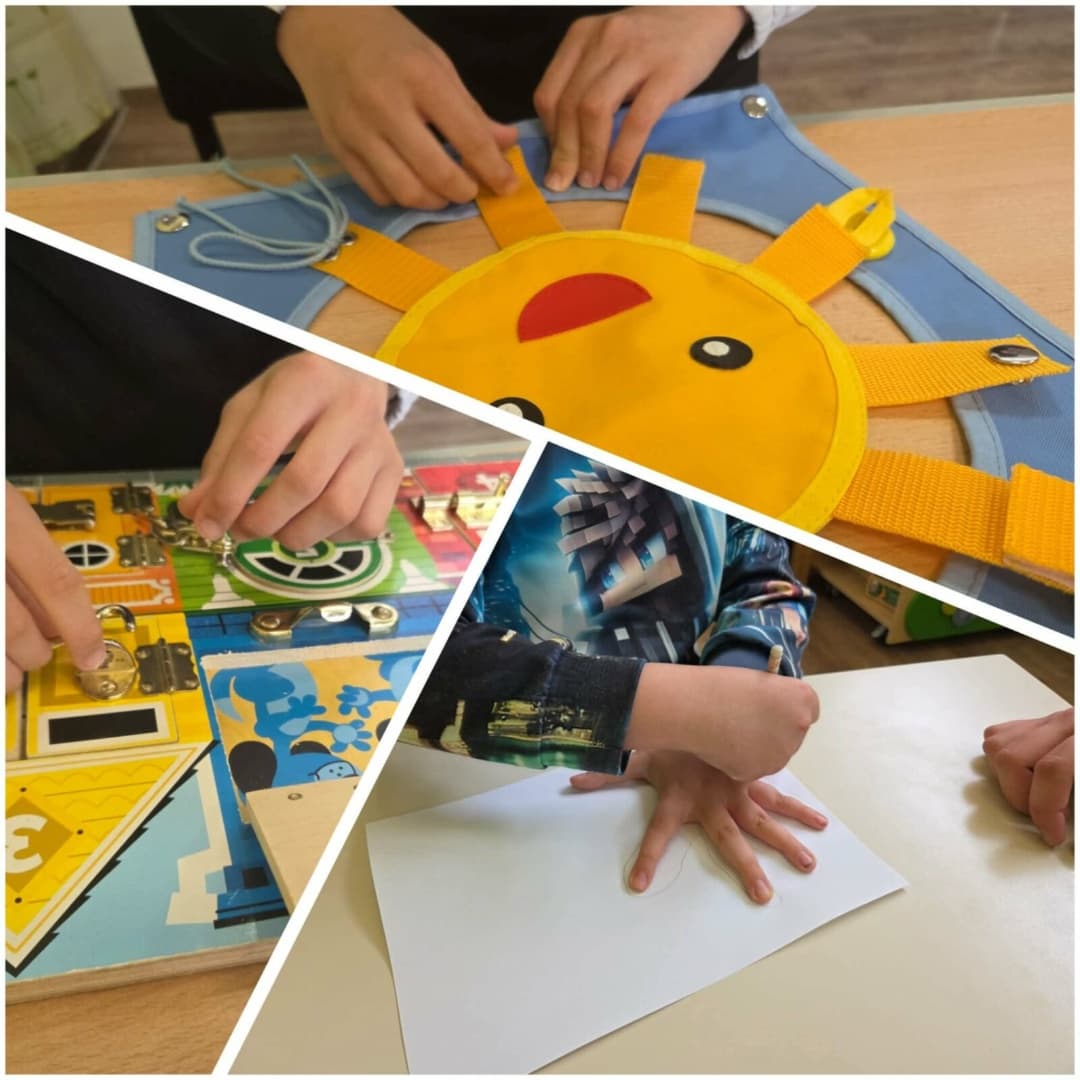
Did you know that play is not just fun?
Play is not just fun – it is the foundation of all learning and a child’s most important “job”. In occupational therapy, play is considered a key productive activity through which a child develops the skills needed for everyday life.
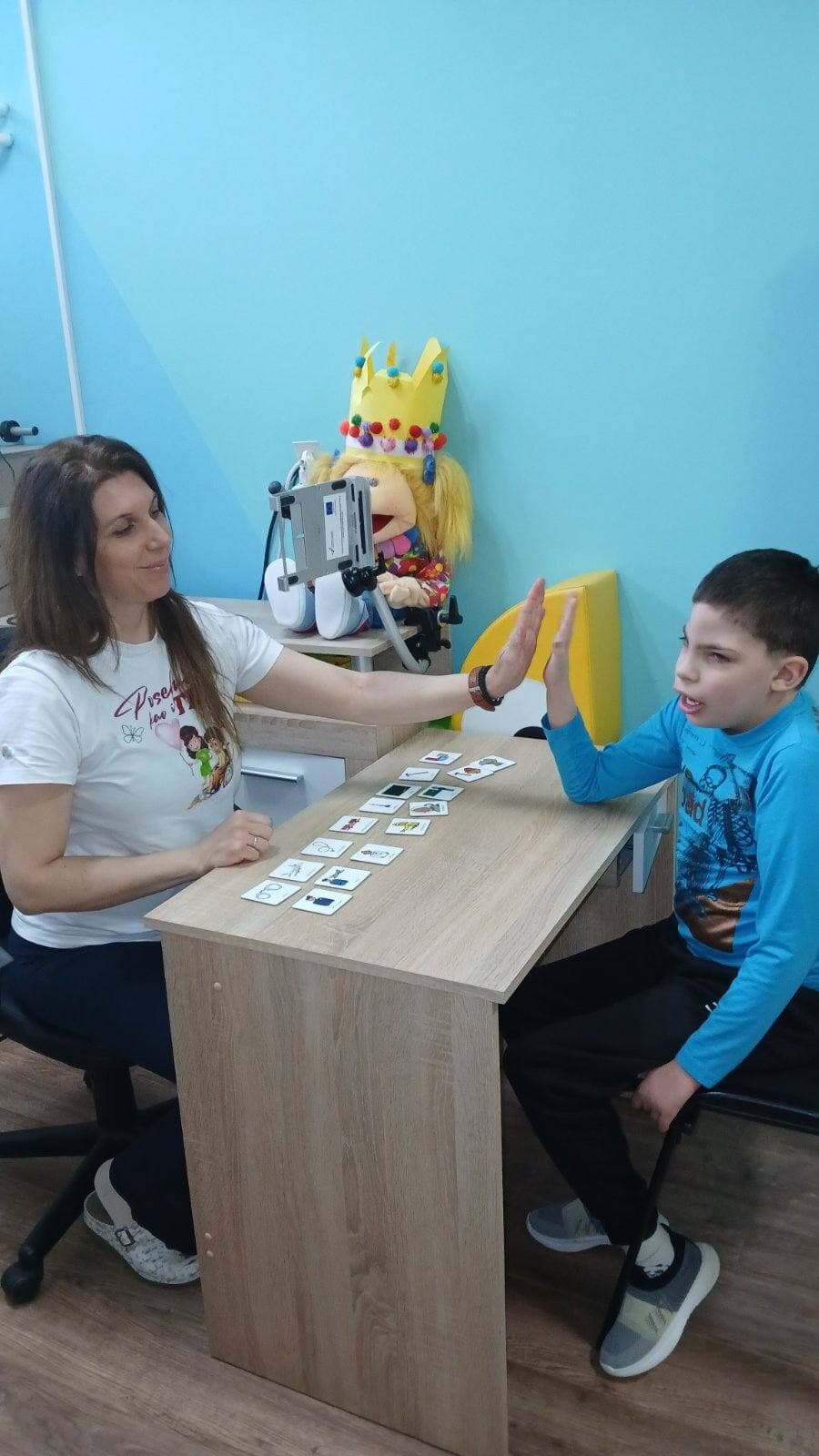
Training — VB-MAPP
VB-MAPP (Verbal Behavior Milestones Assessment and Placement Program) is a structured tool used to assess language, social and learning skills, most often in children with developmental disabilities.
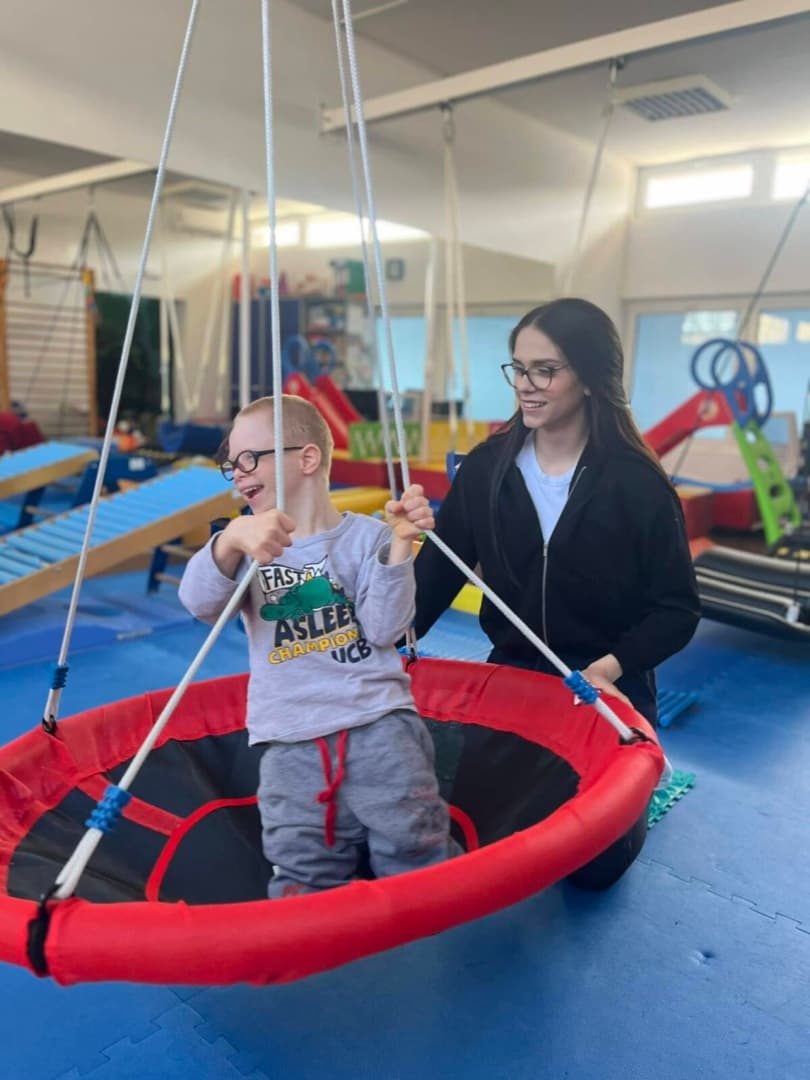
Can “disobedience” be a way of regulating?
Did you know that sometimes a child who “doesn’t listen”, keeps spinning, jumping or cannot sit still – is actually NOT BEING DEFIANT?
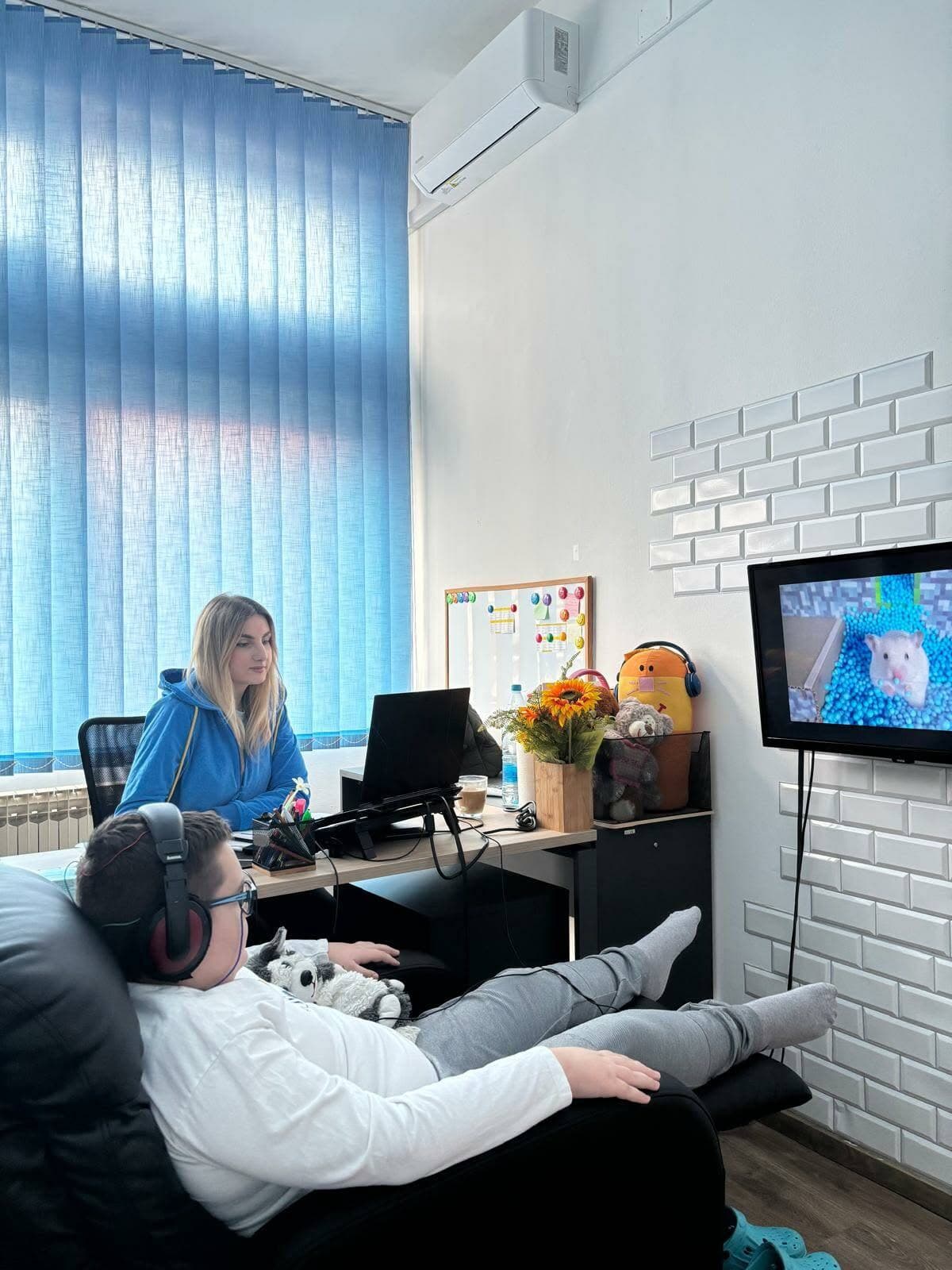
Did you know that attending neurofeedback therapy continuously is key to achieving stable and lasting results?
Neurofeedback works through learning and repetition. The brain, just like a muscle, learns new patterns of functioning gradually. Regular attendance allows the brain to adopt and consolidate positive changes.
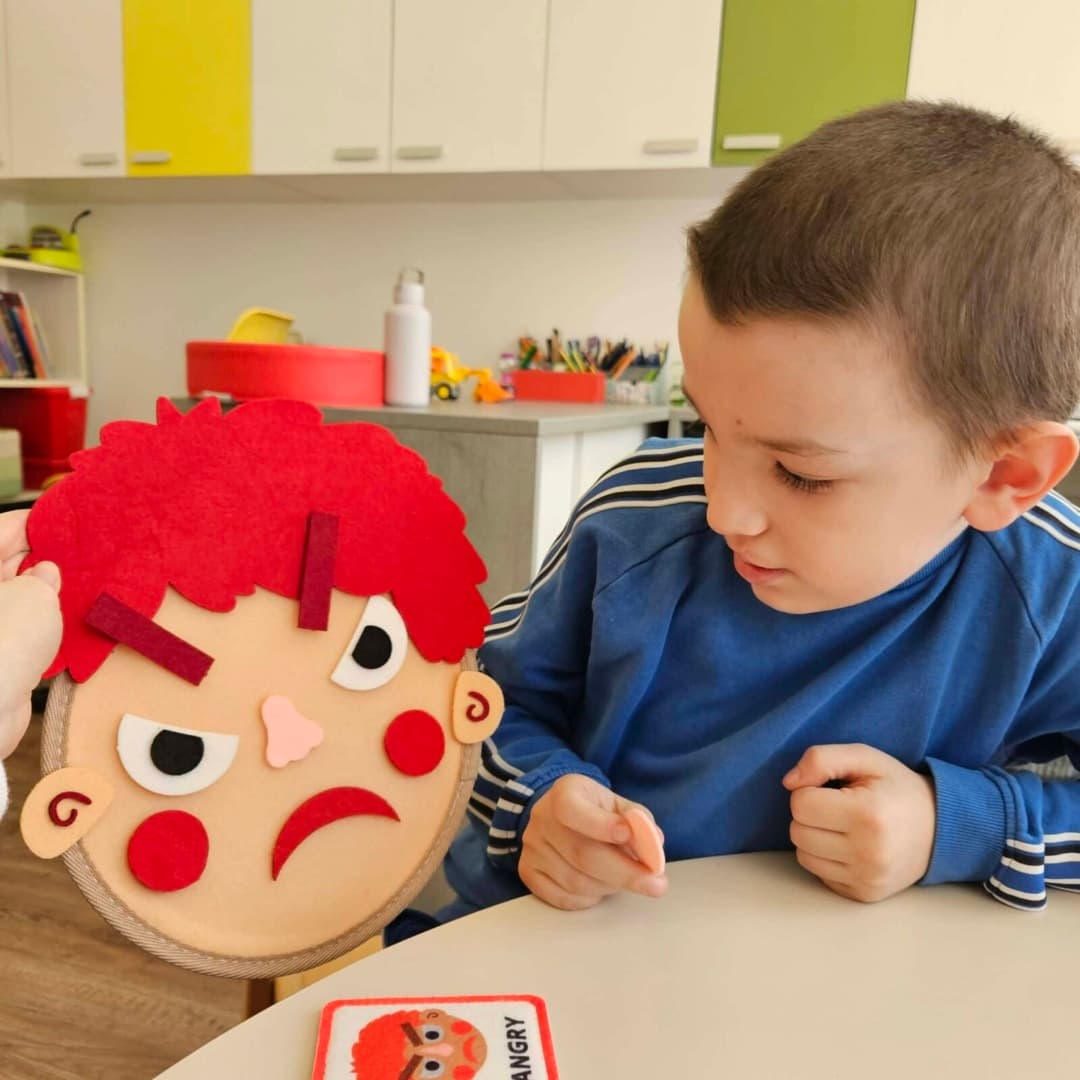
Did you know that clearly set boundaries give children a sense of security and predictability?
Boundaries help children understand what is expected of them and where the limits of acceptable behaviour lie. When rules are clear and consistent, children feel safer because they know “where the boundaries are” and what they can expect from adults.
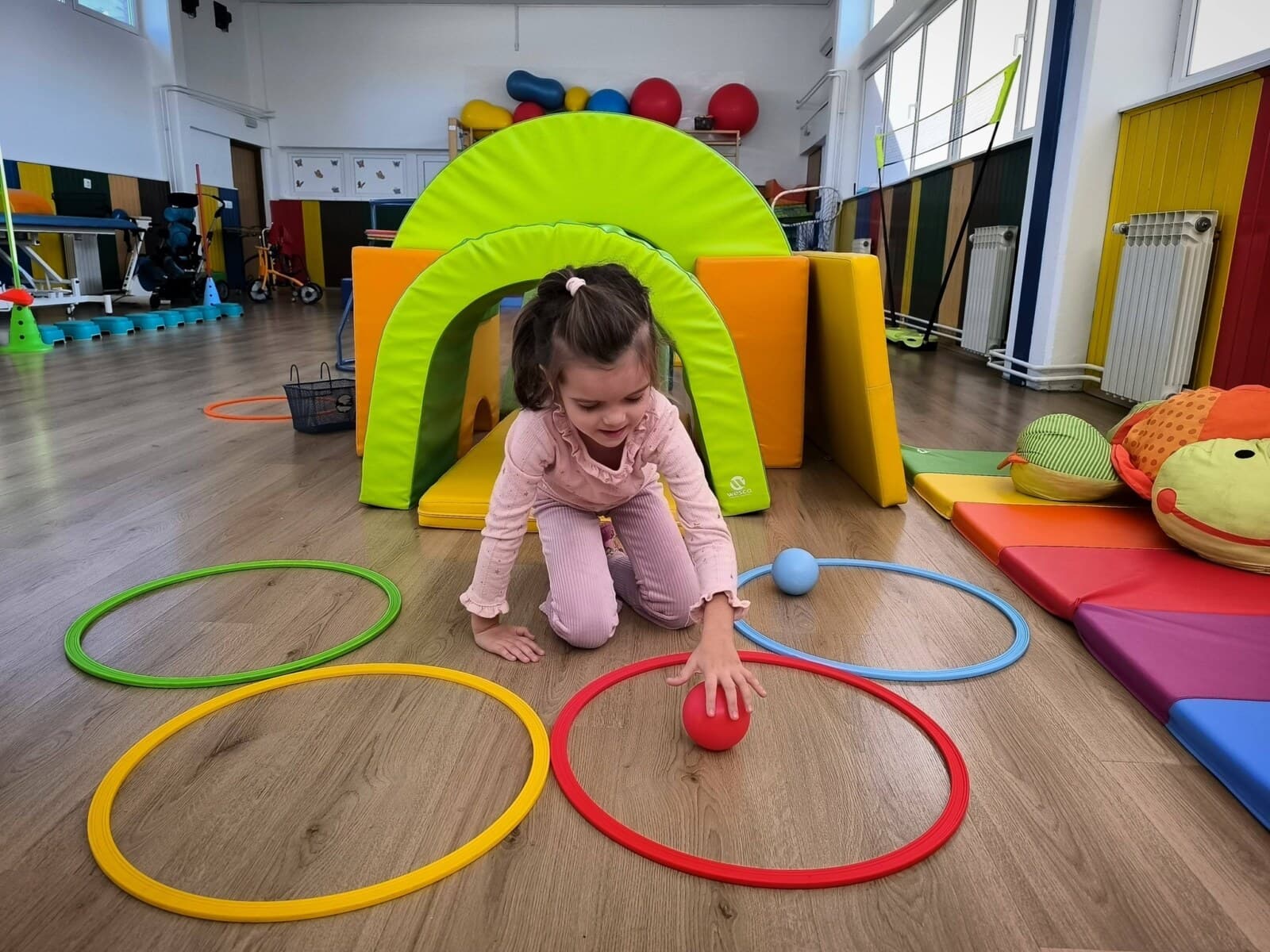
Did you know that learning colours can be much more than recognising visual stimuli for children with developmental disabilities?
Did you know that learning colours can be much more than recognising visual stimuli for children with developmental disabilities – it can become a powerful tool for encouraging overall development when it is done through movement, play and experiential…
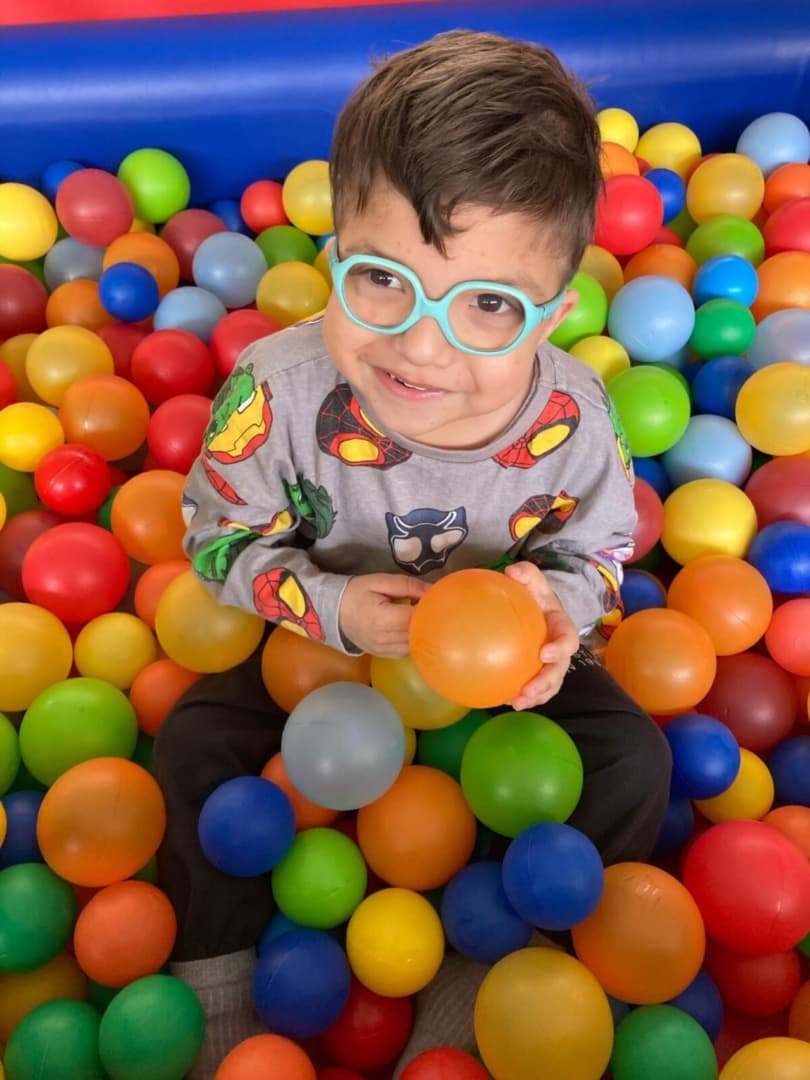
Did you know that the brain learns best through play and movement?
Play is the basic activity in a child’s life and is key to their development
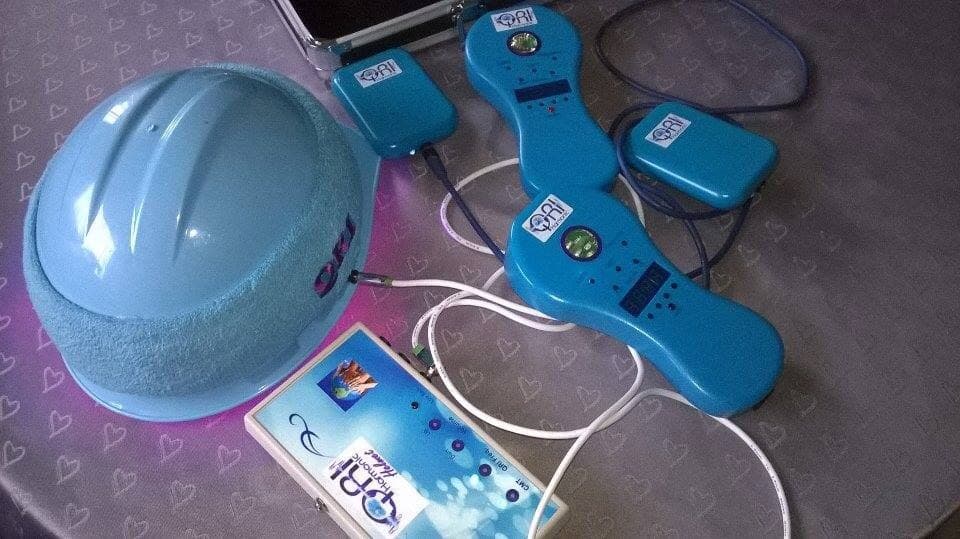
Did you know how important the integration of primitive reflexes is?
Primitive reflexes play an important role in the development of the neurological system in all aspects of cognition, behaviour and movement. In children with neurodevelopmental disorders, a group of non-integrated or undeveloped reflexes, otherwise known as re…
Frequently asked questions
- Who are the services for?
- Psychosocial support is intended for children with disabilities aged 1 to 18. Through projects, the Association also includes parents of children with disabilities, young people and adults with disabilities (Level Up, K-LUMET) and children from foster families and families of lower socio-economic status (e.g. the Playgroup). Who can take part in each project is stated on that project’s page.
- Do the services cost anything?
- Psychosocial support services are free of charge for children who have a Referral from the Institute for Social Work. Taking part in projects with a public call, such as the CONNECT Community Centre and the Level Up project, is also free. Diagnostic assessments have a price list, which you can download on the Diagnostic assessments page.
- How do I obtain the right to psychosocial support?
- A parent or guardian submits a Request for the Provision of Psychosocial Support to the competent office of the Institute for Social Work and enrols the child in the Association. The Association’s professional team then invites the child for an assessment and sends an expert opinion to the competent office, and the Institute issues a Referral for the Provision of Psychosocial Support.
- Do I need a referral?
- You do not need to have one in advance. The Institute for Social Work issues the Referral at the end of the procedure, on the basis of your request and the Association’s expert opinion after the assessment. With a Referral, psychosocial support services are free of charge.
- Where are you located?
- The Association’s headquarters are in Vukovar, at Velebitska 16b. Our second location in Vukovar is Stjepana Filipovića 6, which is also where K-LUMET is produced. In Ilok we work in Radoš, in the premises of the Radoš branch school, where the CONNECT Community Centre runs.
Not sure what you need? Get in touch and we will go through it together.
Contact usBecome a volunteer
Fill in the application form and join us. More than 280 volunteers have been part of the Association so far.
Fill in the form (opens in a new tab)Find out more